
Can I Bring a Fixed Blade Knife Into Canada?
Content Menu
● Understanding Fixed Blade Knives and Canadian Knife Laws
>> Legal Status of Fixed Blade Knives in Canada
● Customs and Import Regulations for Fixed Blade Knives
>> Declaring Your Knife at Canadian Customs
>> Transporting Knives on Flights
● Responsible Carrying and Use of Fixed Blade Knives in Canada
>> Legal Consequences of Improper Use
● Why Choose a Fixed Blade Knife from BILIKNIFE?
>> Advantages of BILIKNIFE Products
● FAQ About Fixed Blade Knives in Canada
>> 1. Can I bring a fixed blade knife into Canada by air?
>> 2. Are there restrictions on the blade size of fixed blade knives in Canada?
>> 3. Is it legal to carry a fixed blade knife for self-defense?
>> 4. What types of knives are prohibited from being brought into Canada?
>> 5. What should I do if my fixed blade knife is confiscated at the border?
Bringing a fixed blade knife into Canada is a common question among outdoor enthusiasts, travelers, hunters, and collectors. Canada's knife laws are specific and focused on the type of knife and the intent of carrying it rather than imposing strict blade length limits. This article will guide you through the essential regulations, customs requirements, and best practices when traveling with a fixed blade knife in Canada.
Along with detailed legal information, this article includes practical advice to help you better understand the rules and make your travel or import experience smooth and compliant.

Understanding Fixed Blade Knives and Canadian Knife Laws
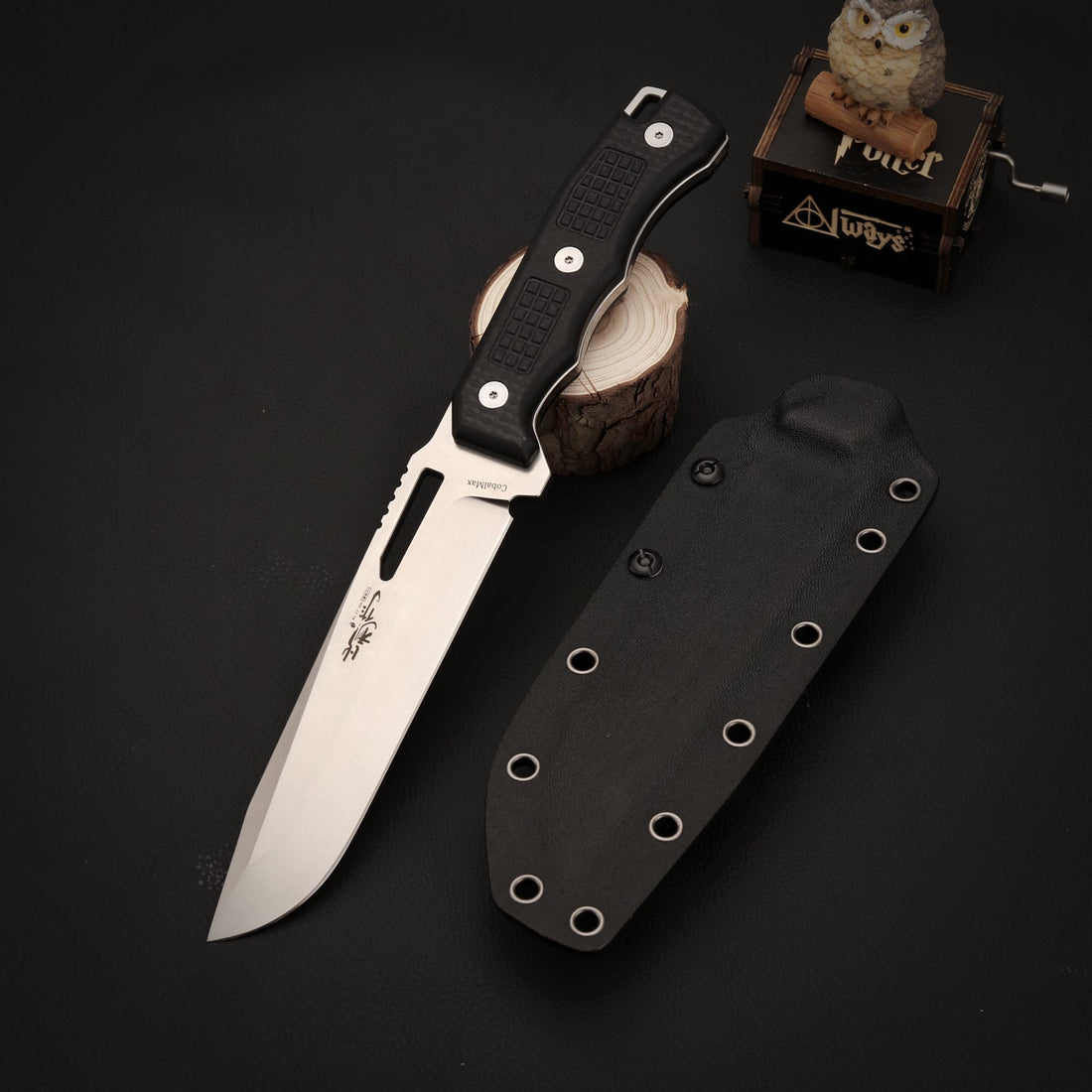
A fixed blade knife is a knife with a blade that does not fold or retract into the handle. These are typically robust, durable knives often used for hunting, camping, survival, and utility purposes.
Legal Status of Fixed Blade Knives in Canada
In Canada, fixed blade knives are generally legal to own and carry, provided they comply with the national laws under the Canadian Criminal Code. There is no maximum blade length restriction for fixed blade knives, but the key legal considerations include:
- The knife must not be carried for self-defense or with the intent to use it as a weapon.
- Prohibited knives include automatic (switchblade) knives, butterfly knives (balisongs), push daggers, and knives that open automatically by centrifugal force or gravity.
- The knife should be carried openly, usually in a sheath, and should not be concealed in a threatening way.
Canada focuses on the intent behind carrying the knife rather than the blade length. This means if you are carrying a fixed blade knife for lawful activities like camping, hunting, fishing, or culinary use, you are within your rights. However, if the knife is carried for protection or as a weapon, it is illegal.
Understanding the nuances of Canadian knife laws ensures that knife owners stay compliant and avoid serious legal repercussions.
Customs and Import Regulations for Fixed Blade Knives
When bringing a fixed blade knife into Canada, it is crucial to comply with customs regulations administered by the Canada Border Services Agency (CBSA). Canada has strict rules concerning the importation of knives and weapons, intending to maintain public safety.
Declaring Your Knife at Canadian Customs
Always declare your fixed blade knife when entering Canada, whether you are crossing by air, land, or sea. Declaring your knife upfront signals transparency and reduces the chance that your knife will be confiscated or delay your entry.
Specific points to note include:
- Prohibited knives cannot be imported into Canada, including switchblades, butterfly knives, and certain disguised knives.
- Fixed blade knives must be used for lawful, legitimate purposes such as camping, hunting, outdoor work, or culinary activities.
- Knives carried must be securely sheathed or boxed to ensure safe handling by customs officers.
- Failure to declare a knife can lead to penalties, confiscation, or criminal charges.
Transporting Knives on Flights
Transporting a fixed blade knife on flights within or to Canada requires particular attention:
- Knives with blades longer than 6 cm must be packed in checked luggage, never carry-on baggage.
- Use a sturdy sheath or case to prevent accidental injury or damage to your belongings.
- Check airline and airport-specific policies as they may be more restrictive.
Adhering to these customs and transport guidelines will help you avoid delays or legal issues during your travel.

Responsible Carrying and Use of Fixed Blade Knives in Canada
Carrying a fixed blade knife responsibly means understanding and respecting Canadian laws, public safety considerations, and the context in which the knife is used.
Usage Guidelines
- Only carry your fixed blade knife for legitimate activities such as outdoor recreation, fishing, hunting, or culinary needs.
- Avoid carrying your knife in urban or public places where it may be perceived as a threat.
- Always carry your knife in its sheath or case to prevent accidents or misunderstanding.
- Do not brandish or open your knife in public spaces unless necessary and lawful.
Legal Consequences of Improper Use
Carrying a fixed blade knife with the intent to use it as a weapon or for self-defense is illegal in Canada. Violations can result in criminal charges, fines, or imprisonment.
Policing authorities have discretionary powers to detain individuals carrying knives in suspicious circumstances, even if the knife is legal in other contexts.
Being informed, cautious, and respectful about when and how you carry your fixed blade knife is essential for staying within the boundaries of Canadian law.
Why Choose a Fixed Blade Knife from BILIKNIFE?
With over 18 years of expertise, BILIKNIFE offers premium-quality fixed blade knives crafted by skilled artisans and designed with outdoor enthusiasts in mind. Our original knives boast superior durability, precision, and style, perfect for hunting, camping, survival, and everyday use.
Advantages of BILIKNIFE Products
- Customizable designs to fit your specific needs.
- Made with premium materials for long-lasting performance and reliability.
- Designed with a focus on safety, practicality, and compliance.
- Manufactured under strict quality controls with expert craftsmanship.
Choosing a reputable brand like BILIKNIFE ensures you receive a fixed blade knife that balances functionality with legal compliance, making it easier to carry and use your knife responsibly during your travels and adventures.
Conclusion
In summary, bringing a fixed blade knife into Canada is allowed under Canadian law provided you comply with legal restrictions and customs protocols. Fixed blade knives must not be carried for self-defense but are allowed for outdoor activities, culinary use, hunting, and other lawful purposes.
Always declare your knife at customs, use proper packaging during transport, and carry the knife responsibly in appropriate contexts to avoid legal trouble. Understanding Canadian laws and regulations around fixed blade knives ensures a smoother travel experience and promotes public safety.
For high-quality fixed blade knives crafted with precision and durability, BILIKNIFE offers a trusted brand with nearly two decades of manufacturing experience. Visit biliknife.com for inquiries, custom orders, or to explore our wide selection of fixed blade knives designed for performance and style.

FAQ About Fixed Blade Knives in Canada
1. Can I bring a fixed blade knife into Canada by air?
Yes, you can bring a fixed blade knife into Canada by air, but knives with blades longer than 6 cm must be placed in checked luggage. Carrying knives in hand luggage is prohibited for safety reasons.
2. Are there restrictions on the blade size of fixed blade knives in Canada?
No, Canada does not impose a maximum blade length restriction on fixed blade knives. The legal focus is on the intent of carrying the knife and not using it as a weapon.
3. Is it legal to carry a fixed blade knife for self-defense?
No, carrying any knife, including fixed blade knives, for self-defense is illegal in Canada. Knives must be carried for lawful uses, such as camping, fishing, or cooking.
4. What types of knives are prohibited from being brought into Canada?
Prohibited knives include automatic (switchblade) knives, butterfly knives (balisongs), push daggers, and knives that open automatically by centrifugal force or gravity.
5. What should I do if my fixed blade knife is confiscated at the border?
If your knife is confiscated, you can contact the Canada Border Services Agency (CBSA) to inquire about the confiscation process, possible appeals, or retrieval. Always ensure to declare knives properly at the border to prevent confiscation.
Hot tags: Canada Knife Import Rules, Bringing Knives Across Canadian Border, Fixed Blade Knife Travel Restrictions, Canadian Customs Knife Policy, Legal Knives In Canada, Outdoor Knife Regulations Canada, Carrying Fixed Blade In Canada, Knife Transportation Rules, Canada Border Knife Declaration, Knife Travel Law Canada